
How to Search DeKalb County Criminal Dockets
Start any DeKalb County criminal docket search at Missouri Case.net. The portal covers public state cases. It lets you look up matters by Litigant Name, Filing Date, Case Number, or Scheduled Hearings & Trials. A case number works best. If you do not have one, type the litigant's exact legal name. Then try a careful spelling variation. Narrow the results to DeKalb County or the court shown when the portal gives you those filters.
Copy the identifier exactly as it appears. It shows up on a notice, citation, summons, docket printout, or a letter from the clerk. A blank name search does not mean no case exists. Case.net searches for litigants, and protected persons may not appear in the results at all.
- Open Case.net and choose Case Number Search when a court-assigned number is known.
- Otherwise, run Litigant Name or Filing Date Search with the narrowest available DeKalb County and date filters.
- Select the matching case number to open the Case Header, then open Docket Entries for the chronological register.
- Use Scheduled Hearings & Trials Search for an upcoming setting, then compare it with the latest notice or order.
- If a document is unavailable or an official copy is needed, contact the DeKalb County Circuit Clerk rather than treating a portal printout as certified.
DeKalb County Criminal Case.net Search
Open a DeKalb County result. The Case Header names the public case and its status. The Docket Entries tab holds the running event register. A linked entry may lead to an attached document. An unlinked one can mean there is no attachment. Or your account cannot open it. That gap matters when you are tracking a hearing, a motion, or a judgment.
For date-sensitive matters, the scheduled-hearings search helps. Yet the newest notice, order, or Circuit Clerk confirmation beats a stale result every time. The DeKalb County case search page breaks down the statewide search options in more detail.
What a DeKalb County Criminal Docket Shows
Court Operating Rule 4 describes an automated docket index that anyone can search by party name, case number, or filing date, while confidential records stay out of ordinary public access. For a public DeKalb County criminal case, the register can identify the court, county, division, case type, parties, attorneys, filing dates, and judicial actions. Depending on what is displayed, it can also show public charge, warrant, bond, setting, motion, judgment, sentence, or disposition information.
| Case header | Public case identity, court, division, parties, attorneys, and status. |
|---|---|
| Filing event | Recorded charging, motion, response, notice, or other event and its date. |
| Setting | Public arraignment, plea, hearing, trial, or sentencing setting, subject to later changes. |
| Judicial action | Order, judgment, sentence, dismissal, or other action entered by the court. |
| Document status | Linked document availability, security status, or an (ECASE) indicator where shown. |
DeKalb County Criminal Docket Fields
A docket entry records an event, nothing more. It is not proof of what the event means. "Filed" only signals a procedural step, not guilt. A charge in the header is never a conviction. When the final judgment or disposition entry is public, read it first. If you need an official copy, request the actual order from the DeKalb County Circuit Clerk. The official Court Operating Rule 4 supplies the record-keeping framework behind these fields.
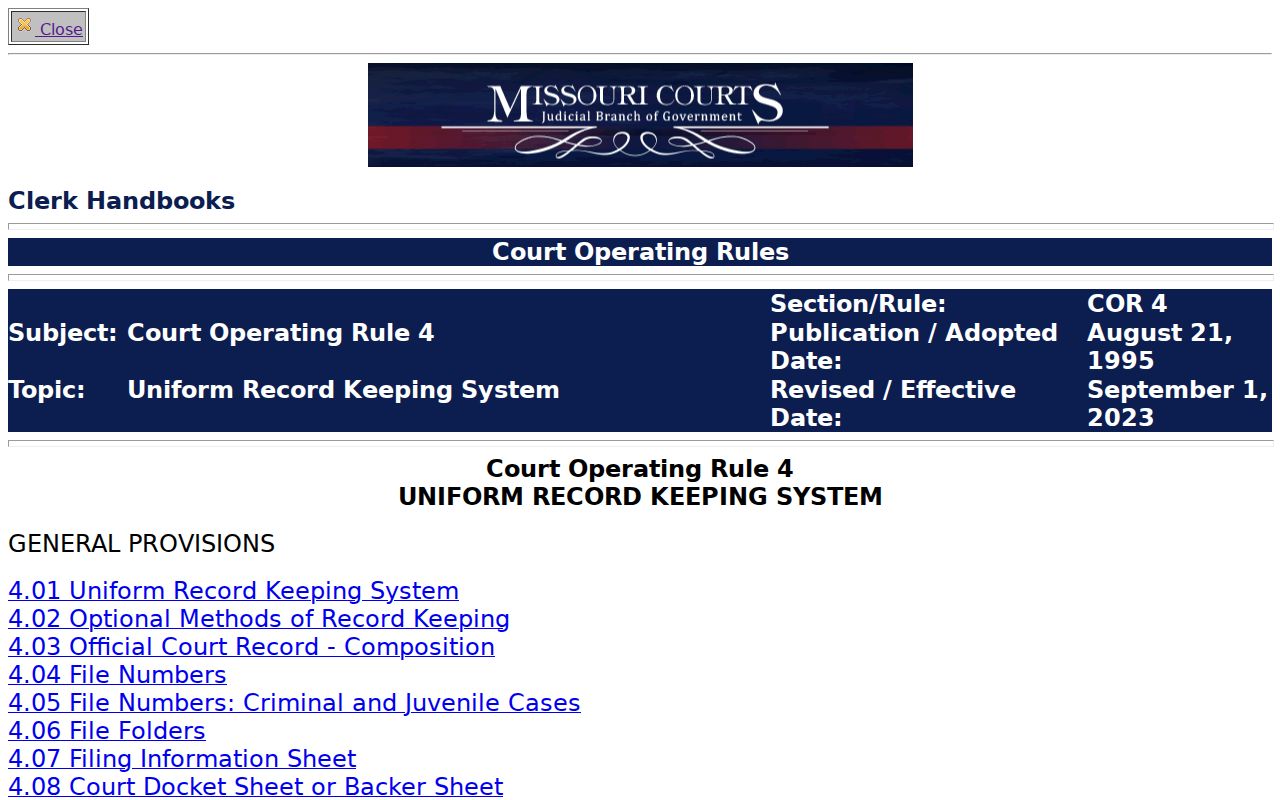
That framework explains the gaps a reader will meet in any DeKalb County docket search. A public register can still hold a restricted court record, a redacted filing, or an entry with no link at all.
Stages on a DeKalb County Criminal Docket
A DeKalb County criminal docket tends to follow a familiar arc. A charge or filing opens the case. Then arraignment, pretrial activity, and a plea or trial setting follow. Disposition and sentencing come when they apply. Along the way, motions, responses, continuances, and reset entries fill the space between those big steps. A case can carry more than one setting. The latest entry is the one to trust.
Docket flow: Charge Filed › Arraignment › Pretrial Settings › Plea or Trial › Disposition › Sentencing
DeKalb County Criminal Filing Meaning
Three docket terms in a DeKalb County criminal case reward a close read. A setting lists a court event. It is not necessarily a final hearing date. A continuance or reset pushes that event to a new time. The later notice or order controls. A disposition resolves the case or charge. Read it in context to tell whether it is final, interim, or administrative.
- Case Header
- The public portal view of case identity and status before the chronological entries.
- Docket entry
- One dated line for a filing, event, setting, or judicial action.
- Certified copy
- A clerk-authenticated copy, not an ordinary Case.net print or download.
DeKalb County Criminal Division I
DeKalb County sits in Missouri's 43rd Judicial Circuit. Under local rules effective January 1, 2025, its civil, criminal, and juvenile circuit divisions are all assigned to Division I. That is a routing fact, not a separate database. Start with a case lookup on Case.net. If the listed division or current setting is unclear, ask the DeKalb County Circuit Clerk to clarify the court docket.
Which DeKalb County Court Holds Criminal Dockets
DeKalb County runs its criminal docket through the Circuit Court. It serves as the local trial court rather than a stand-alone county criminal court. Felonies usually land in the Circuit Criminal Division. That happens once the right filing or bind-over comes through. Where a misdemeanor or associate-level matter sits depends on its posture. It may sit in either the Associate Division or the Circuit Criminal Division. Either way, one office keeps the docket. That office is the unified local Circuit Clerk. For public records, both routes run through the statewide Case.net search path.
City-traffic tickets and municipal ordinance cases in DeKalb County can show up in a named Municipal Division instead. Appeals are a different animal. An appellate matter is not a second copy of the trial-court docket. It belongs with the Missouri Court of Appeals or the Supreme Court route. Federal criminal charges go through PACER instead. That means the Western District of Missouri, not Case.net.
DeKalb County Criminal Court Routing
Check the named court first before you guess the record path. The DeKalb County Circuit Clerk keeps the judicial docket. A separately elected County Clerk handles county administration and elections. Neither duty includes criminal dockets. That office shares a Maysville address with the Circuit Clerk. That does not make it the right contact for a criminal docket.
DeKalb County Circuit Clerk
109 W Main St, PO Box 248
Maysville, MO 64469
816-449-2602 #2
Ask about public inspection, document access, certified copies, or the current court setting. Court staff cannot provide legal advice.
DeKalb County Criminal Terminal Access
Case.net may list a case. But the document will not open remotely. Write down the case number and call the DeKalb County Circuit Clerk. The courthouse counter and its public-access terminal are the practical fallback. That is especially true for older material or an (ECASE) file. ECASE simply means the case record is electronic with no paper file behind it. It says nothing about whether the record is public. So ask the clerk whether terminal login or clerk-assisted inspection fits that record.
Circuit Clerk Mikayla Glaubius publishes a mailing address and a fax number. The email is mikayla.glaubius@courts.mo.gov. Remember that an email attachment is not a valid court filing. A copy request should state the division and the case number. It should also give the exact document or docket date and whether you want inspection, a plain copy, or a certified copy. DeKalb County posts no fee schedule, so confirm the current cost and request method first. Authorized filers with Missouri eFiling credentials get access that ordinary public users do not.
For a historic criminal docket, the Missouri State Archives judicial-records program is the separate research route. Its DeKalb County inventory covers circuit criminal case files on microfilm from 1861 through 1978. An index or reel reference can lead you to a record. But that is not a modern Case.net docket. It does not promise that every document is available online.
Public Access to DeKalb County Criminal Dockets
A DeKalb County criminal docket can be public while its documents are not. A public header may still hold confidential documents. An entry with no link may have no attachment. Or it may sit above your security level. Court Operating Rule 4 and the File Viewer system guard sealed, juvenile, expunged, mental-health, and other restricted material. An absent result never proves a record was expunged.
Key Rules:
RSMo §610.023 requires the public-record custodian to act as soon as possible and no later than the end of the third business day, subject to its stated rules.
RSMo §610.026 supplies the statutory copy-charge framework; ask the clerk for the current estimate before requesting copies.
Missouri Rule 122.02 places special confidentiality and written-request limits on specified juvenile, children's-division, and adoption records.
The official Rule 122.02 text is the source for the separate juvenile-access framework.
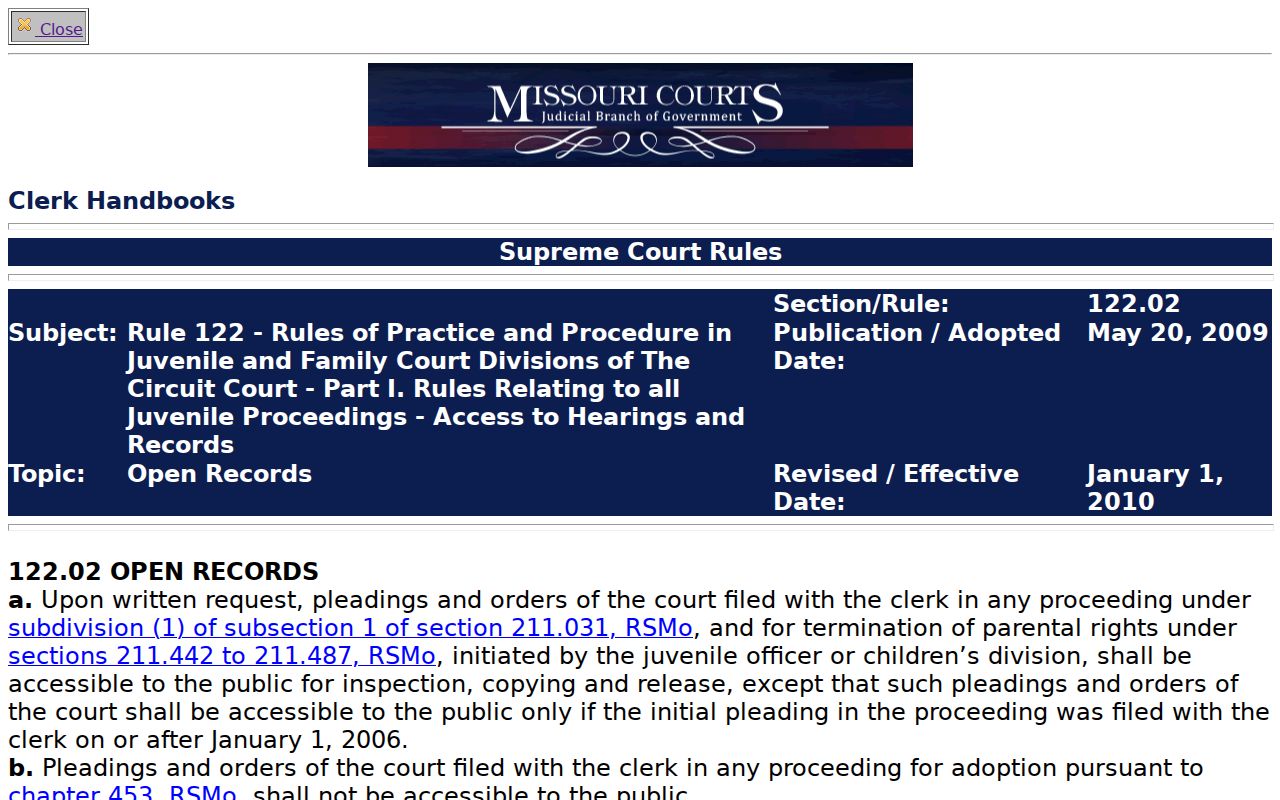
An adult criminal search is not the right workflow for juvenile or children's-division records, which may need an order or a specific lawful request route. The DeKalb Court Forms page lists child-protection and related forms. It is not a portal for restricted juvenile records.
DeKalb County Criminal Closure Rules
RSMo §610.105 governs closing certain criminal records after final termination following specified dispositions. The statute also covers access to the judgment, order, or final action in those circumstances. So a dismissal, an SIS entry, or a closed result is not one uniform public-access outcome. Each record stands on its own lawful status. Ask the DeKalb County Circuit Clerk about the specific record, and read RSMo §610.105 itself for the post-disposition access rule.
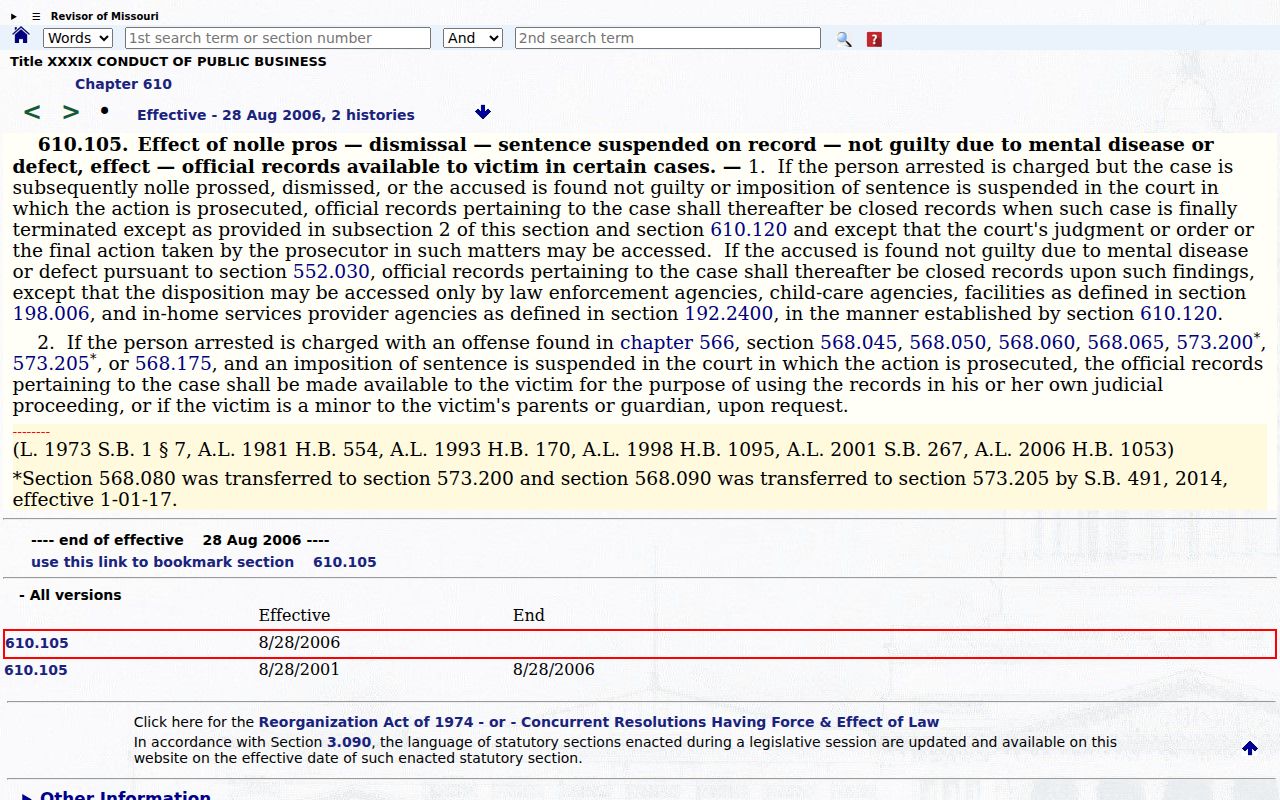
Status: weigh the displayed status, the exact disposition, and any court security setting together before drawing a conclusion about a DeKalb County record.
DeKalb County Criminal Expunged Dockets
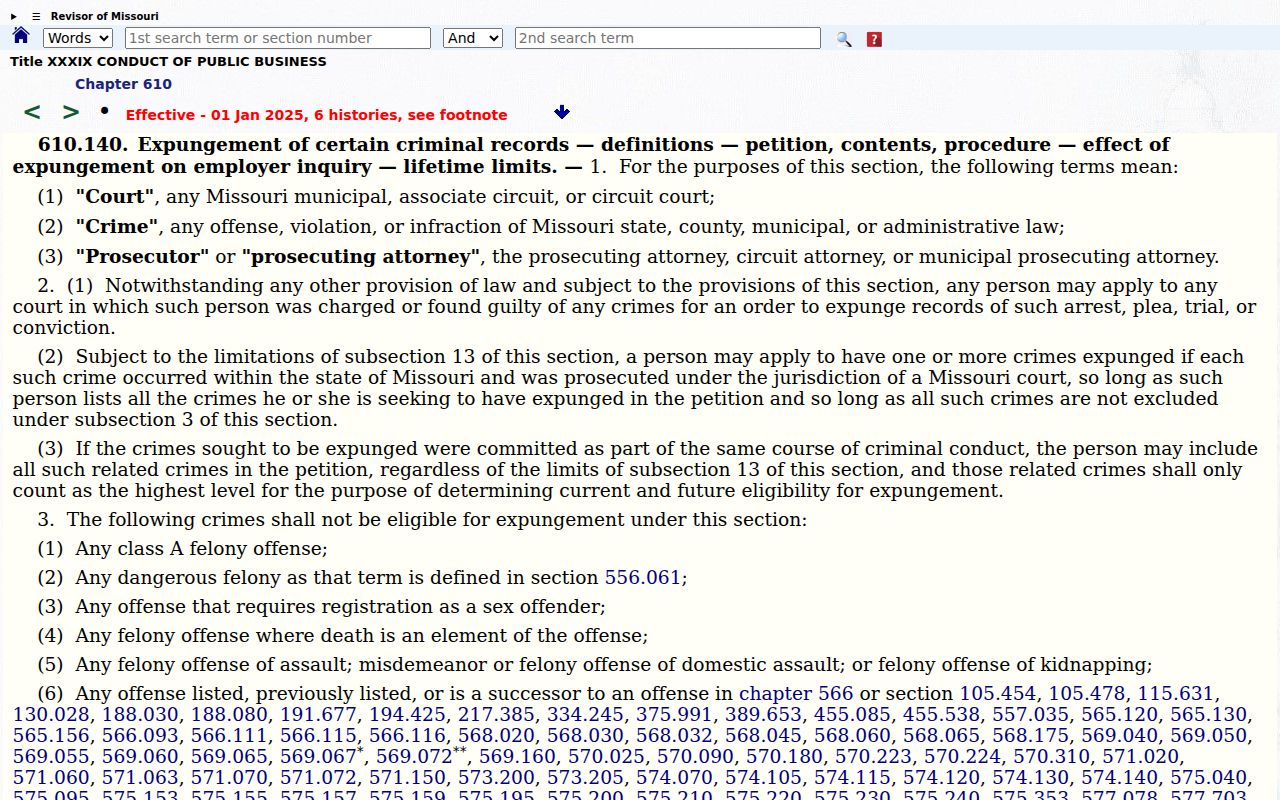
Expungement is a separate statutory process. Under RSMo §610.140, expungement cases, orders, and records receive confidential treatment as stated by law. A limited Case.net result, a missing document, or no name result does not establish that expungement happened. Preserve the public case identifier if one exists and ask the DeKalb County Circuit Clerk for the lawful access route.
RSMo §610.140 provides the source material for expungement confidentiality.
For historic criminal files from 1861 through 1978, start with the official DeKalb reel inventory. Do not assume a modern Case.net search is the complete archive.